


18jl | Exploring the Intricate World of Strategy Games
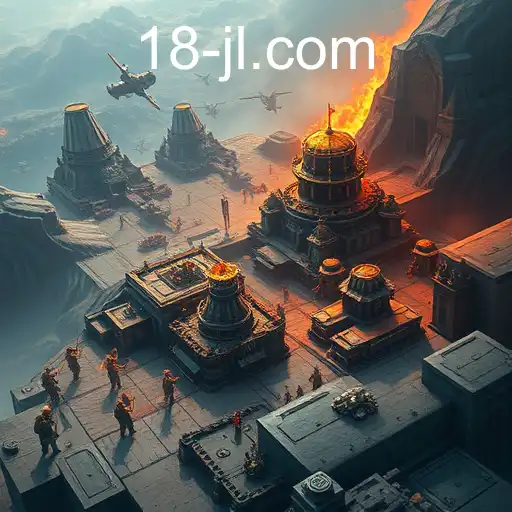
The world of strategy games is a vast and varied one, with a rich history that spans centuries, evolving from traditional board games to sophisticated digital environments that challenge and engage players at all levels. These games are typically characterized by their focus on skillful thinking and planning to achieve victory. A player must manage resources, strategize their moves, and often anticipate the actions of their opponents.
The beauty of strategy games lies in their diversity. They come in many forms, from the classical real-time strategy (RTS) games that unfold in a live environment where players' actions continue regardless of their readiness, to turn-based strategy (TBS) games where players alternate turns allowing for more thoughtful planning. Popular RTS games such as 'StarCraft' or 'Age of Empires' demand quick reflexes and adaptive strategies, while TBS games like 'Civilization' or 'XCOM' allow for deeper analysis and planning between moves.
In recent years, strategy games have become even more accessible, largely due to the rise of digital platforms. Online multiplayer modes enable players to engage with others from around the globe, bringing a new social dynamic to the strategy genre. Games like 'League of Legends' or 'Dota 2', while often classified as multiplayer online battle arenas (MOBAs), incorporate strong elements of strategy that compel players to think critically about team dynamics, resource allocation, and timing.
Furthermore, strategy games have a strong educational component, often enhancing cognitive skills such as problem-solving, strategic thinking, and decision-making. For instance, strategy video games can simulate historical events, providing insights into historical decision-making processes, political dynamics, and social strategies. This educational side of strategy games supports their popularity in a wide range of age groups, appealing to younger audiences as well as adults seeking a compelling cognitive challenge.
Overall, strategy games offer myriad opportunities for entertainment and development, limited only by the imagination and creativity of the developers and the players. This genre continues to expand and innovate, enticing a growing community of gamers who relish the combination of intellectual challenge and entertainment. As technology continues to evolve, the future of strategy games promises to be even more engaging and complex, paving the way for unprecedented gaming experiences.
